



If you’re watching your child squint at distant objects or notice your own vision changing, you’re probably wondering about myopia progression. Understanding nearsightedness and farsightedness differences helps clarify how vision changes over time. The pattern of how nearsightedness develops depends heavily on your age, with childhood and teenage years showing the most dramatic changes, which is why comprehensive eye exams are essential for monitoring these developments.
Myopia typically worsens most rapidly during childhood and adolescence, then stabilizes in early adulthood around age 20–25, though some adults can still experience changes due to hormonal shifts, medical conditions, or age-related eye changes.
How Myopia Changes During Childhood and Teen Years
Children’s eyes undergo rapid development, making these years the most active period for myopia progression. During this time, the eyeball continues growing longer, which directly affects how light focuses on the retina.
The progression isn’t random—it follows predictable patterns that eye care professionals can monitor and potentially slow down. Most children who develop myopia will see their prescription change regularly until their late teens or early twenties without proper intervention.
Why Kids’ Eyes Keep Getting Worse
Several factors contribute to myopia progression in young people, including:
- Rapid eye growth during development
- Increased near-work demands from school
- Screen time impact on young eyes
- Genetic factors become more apparent
The Peak Years for Myopia Progression
Ages 6–18 represent the most active period for vision changes. During elementary and middle school years, many children experience prescription changes every 6–12 months.
High school students often continue to see progression, though it typically begins slowing as they approach graduation. The growth spurts that occur during puberty can correlate with more rapid myopia development. Research shows that outdoor time protects children against myopia progression through bright light exposure.
What Happens to Your Vision After Age 20
Young adults usually experience much more stable vision compared to their teenage years. By this time, eye growth has largely completed, leading to fewer prescription changes.
However, stability doesn’t mean your vision will never change again. Various factors can still influence your eyesight throughout your twenties and thirties.
When Myopia Usually Stops Getting Worse
Most people see their myopia stabilize between ages 20 and 25 when eye growth completion occurs. This doesn’t happen overnight—the progression typically slows gradually during the late teenage years before reaching stability.
Some individuals may experience minor changes even after this period, but dramatic prescription shifts become much less common. Regular eye exams help track these patterns and catch any unexpected changes.
Adult Myopia: Stable but Not Always
While most adults enjoy relatively stable vision, several factors can still cause changes, including:
- Hormonal changes
- Certain medical conditions
- Extended near work
Changes After Age 40
The 40s bring new vision challenges as presbyopia may begin affecting your ability to focus on close objects. This natural aging process can complicate existing myopia and create new visual needs.
Many people with myopia find they need different correction strategies during this decade. Bifocals, progressive lenses, or separate reading glasses become common solutions.
The Presbyopia Factor
Presbyopia typically affects everyone around age 40–45, regardless of whether you have myopia. This condition makes it harder to focus on close objects like books, phones, or computer screens.
People with myopia might notice they can see up close better when they remove their glasses, but this temporary advantage doesn’t eliminate the need for proper correction. The combination of myopia and presbyopia requires specialized lens designs to address both distance and near vision needs.
Why Some Adults Notice Vision Changes
Several age-related factors can affect vision in adults over 40, including:
- Natural lens changes with age
- Diabetes and blood sugar fluctuations
- Medications that affect vision
- Cataracts can alter prescription needs
Modern Ways to Slow Myopia Progression
Today’s eye care offers several proven methods to slow myopia progression in children. These treatments work by changing how light focuses on the retina, reducing the stimulus for continued eye growth. Atropine eye drops represent one effective approach, with low concentrations safely reducing progression by about half in children ages 4–12.
Early intervention often provides the most benefit, making regular eye exams important for children showing signs of myopia development.
Ortho-K Lenses: Overnight Vision Correction
Ortho-k involves wearing specially designed contact lenses overnight that gently reshape the cornea. You remove them in the morning and enjoy clear vision throughout the day without glasses or contacts.
These lenses not only correct vision temporarily but can also help slow myopia progression in children. Many families appreciate this dual benefit—clear daytime vision plus long-term myopia management.
Special Myopia Control Lenses
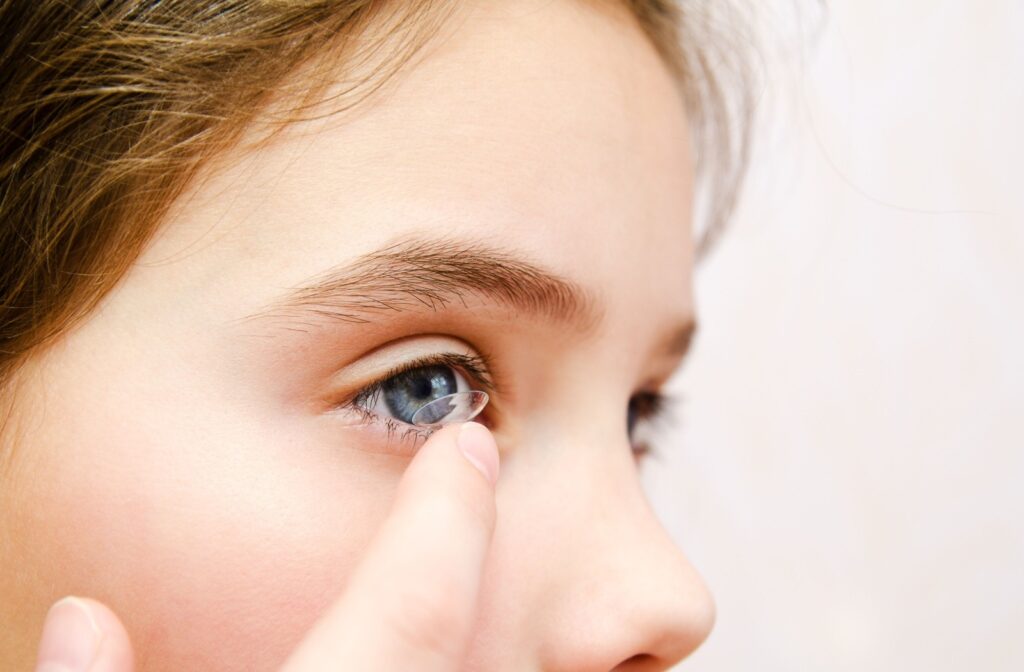
Myopia control contact lenses feature unique designs that focus light differently on the retina. These daily disposable lenses provide clear central vision while creating specific focus patterns that can slow eye growth.
Special eyeglass lenses also offer myopia management benefits. These lenses look like regular glasses but incorporate technology designed to reduce progression rates in children. Learning more about contact lens options can help you choose the best solution for your family’s needs.
When to See an Eye Doctor
Regular eye exams help catch myopia progression early and monitor any changes in your vision. Certain symptoms warrant immediate attention, while routine check-ups help maintain eye health. Understanding high myopia risks emphasizes the importance of professional monitoring, as severe myopia significantly increases the risk of serious eye conditions.
Don’t wait for obvious vision problems—many eye conditions develop gradually without noticeable symptoms in their early stages.
Red Flags That Need Attention
Contact an eye care professional promptly if you notice:
- Sudden vision changes at any age
- Frequent headaches or eye strain
- Difficulty seeing the board at school
- Squinting or holding things closer to see
Regular Check-ups with an Optometrist
Annual eye exams help track myopia progression and catch other eye health issues early. Children with myopia may need more frequent visits—every 6–12 months—to monitor progression and adjust treatments.
Comprehensive Eye Care for the Whole Family
At Eyes on Westlake, our team provides comprehensive eye care for the whole family, from routine examinations to modern myopia management options. Book an appointment today to start taking care of your family’s visual health.