


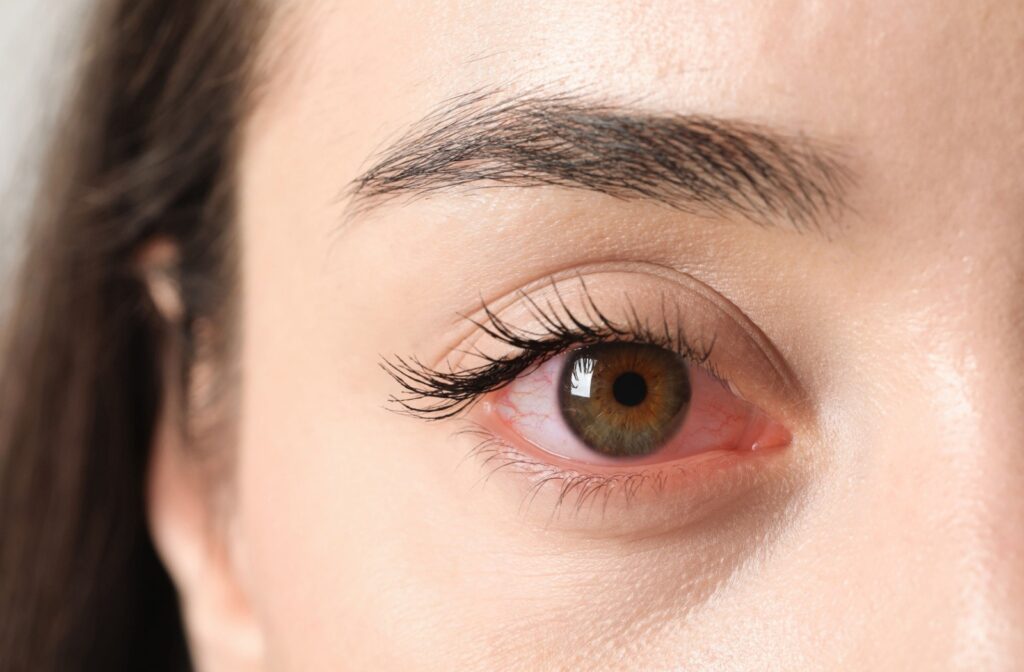
You wake up with red, irritated eyes and wonder what’s causing the discomfort. Your eyes might be watery one day and gritty the next, making it hard to pinpoint the real problem.
Eye redness from allergies typically comes with itching, clear discharge, and seasonal patterns, while dry eye redness involves a burning sensation, blurry vision, and symptoms that persist throughout the day. Knowing which condition you’re dealing with helps you find the right treatment and get back to comfortable vision.
At Eyes on Westlake, our team understands how frustrating it can be to deal with persistent eye discomfort, which is why we offer comprehensive eye exams to identify the exact cause of your symptoms.
Different Conditions, Similar Symptoms
Your red eyes might look the same whether you have allergies or dry eye disease, but these conditions work differently inside your eyes. Allergies occur when your immune system overreacts to harmless substances, such as pollen or pet dander. Dry eye occurs when your tears can’t keep your eye surface properly lubricated.
Each condition needs its own approach to treatment. What works for allergy relief won’t help dry eye, and dry eye treatments can’t stop allergic reactions. Getting the right diagnosis means you can target the actual problem instead of guessing with over-the-counter drops.
How Allergies Make Your Eyes Red and Irritated
Common Allergy Symptoms
When allergens hit your eyes, you may feel an intense urge to rub them. The itching sensation is often the strongest clue that allergies are behind your red eyes. Your eyes may water constantly, producing clear tears that seem to flow without stopping.
Your eyelids might look puffy and swollen, especially in the morning. You might also notice dark circles under your eyes that weren’t there before. These symptoms often come with sneezing fits and a runny nose that makes you reach for tissues throughout the day.
What Can Set Off Your Allergic Reactions?
Spring and fall bring tree pollen and ragweed that make your eyes water and itch. Grass pollen peaks during the summer months, creating months of discomfort if you’re sensitive. Even staying indoors doesn’t always help when pollen counts are high.
Inside your home, pet dander from cats and dogs can float in the air for hours after your furry friends leave the room. Dust mites living in your bedding and carpets release proteins that make your eyes react. Strong scents from perfumes, cleaning products, or cigarette smoke can also set off your symptoms. Understanding the different types of conjunctivitis can help you recognize when allergies are the culprit behind your eye irritation.
When Dry Eye Disease Creates Redness
Common Dry Eye Symptoms
Your eyes feel like sand got stuck under your lids, creating a gritty sensation that won’t go away. This burning feeling often gets worse as the day goes on, especially if you spend time looking at screens. Your eyes might feel tired even when you’re not doing close-up work.
You might notice your vision gets blurry while reading or driving, then clears up when you blink hard. Your eyes might water excessively as they try to wash away the irritation, but these tears don’t provide lasting relief. The watering often happens at unexpected times, like when you step outside into the wind.
Root Sources of Dry Eye
Your eyelids are lined with tiny oil glands that can get clogged, making your tears evaporate too quickly. When these glands don’t work properly, your tear film becomes unstable and cannot protect your eye surface. This creates the burning and redness you feel throughout the day. Meibomian gland dysfunction is one of the most common sources of these uncomfortable symptoms.
Staring at computer screens, phones, or tablets makes you blink less often, which lets your tears dry up faster. Air conditioning, heating systems, and windy conditions pull moisture away from your eyes. As you get older, your body naturally produces fewer tears, and certain medications like antihistamines can make the problem worse.
Key Differences That Help You Identify Each Condition
Timing and Pattern Clues
Your allergy symptoms probably follow a predictable calendar. You might notice your eyes get red and itchy every spring when trees start blooming, or every fall when ragweed releases pollen. Moving indoors or changing locations can sometimes provide quick relief.
Dry eye symptoms typically stick around regardless of the season or your location. You might wake up with red, uncomfortable eyes that gradually feel worse throughout the day. Computer work, reading, or driving often makes the symptoms more noticeable. Waking up with red eyes is particularly common with dry eye disease.
Associated Symptoms That Point to the Source
When allergies affect your eyes, your nose usually joins the party with congestion, sneezing, and clear discharge. You might notice that both eyes develop symptoms at the same time and with similar intensity. Taking a shower or washing your face might provide temporary relief.
Dry eye often comes with neck tension or headaches from squinting and eye strain. You might find yourself blinking more often or closing your eyes to get relief. The symptoms can affect one eye more than the other, especially if you sleep on your side or work in a position that exposes one eye to more airflow. Computer vision syndrome often develops alongside dry eye disease in people who spend long hours at digital screens.
Treatment Options for Relief
Allergy Management Approaches
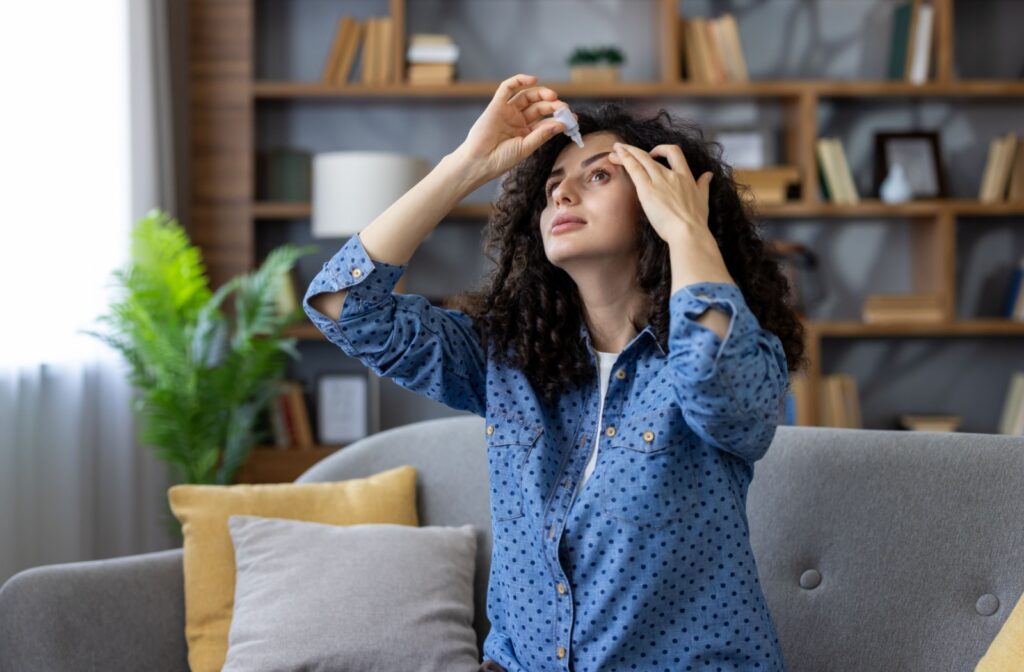
Antihistamine eye drops can stop the itching and redness within minutes of application. Oral allergy medications help control your body’s overall reaction to allergens, reducing both eye and nasal symptoms, however they can further contribute to dryness. Cold compresses on your closed eyelids can shrink swollen tissues and provide soothing relief.
However, avoiding your known allergens works better than any medication. Keep windows closed during high pollen days, use air purifiers in your home, and wash your hands frequently. For severe allergies that don’t respond to over-the-counter options, prescription drops can provide stronger relief.
Modern Dry Eye Treatments
PRP (platelet-rich plasma) eye drops use your own blood to create healing tears that last longer than artificial drops. This treatment helps repair your eye surface while providing natural lubrication. The process involves a simple blood draw, and the drops are made fresh for your specific needs.
Warm compresses and gentle lid massage can also help unblock those clogged oil glands along your eyelids. Professional treatments can include specialized procedures that clean your lids and restore proper tear function. Modern dry eye treatments combine innovative technology with personalized care to address the root cause of your symptoms. Warm compresses remain one of the most helpful at-home treatments for managing dry eye discomfort.
Find the Relief You Need
You don’t have to live with red, uncomfortable eyes when helpful treatments are available. Our team at Eyes on Westlake offers comprehensive eye exams and specialized dry eye care in a welcoming optical boutique setting. Schedule your appointment today to discover which condition is affecting your eyes and find the relief you need.