


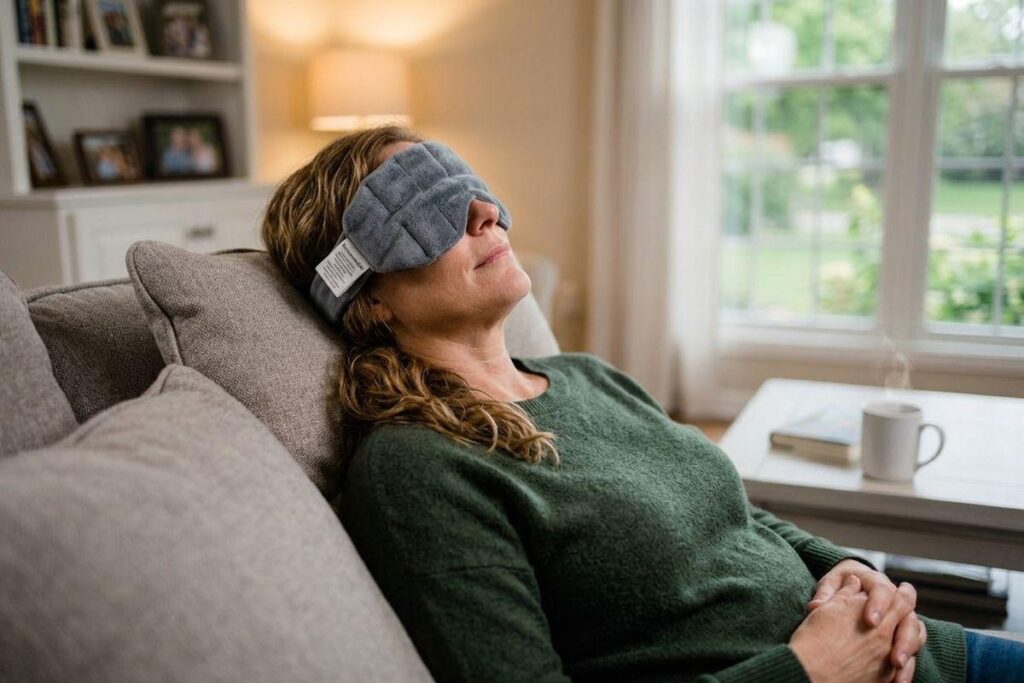
Do your eyes often feel gritty and dry, especially after staring at screens or spending time outdoors? That uncomfortable sensation often comes from blocked meibomian glands—the tiny oil factories in your eyelids that keep your tears from evaporating too quickly. At Eyes on Westlake, patients often discover that these blocked glands are behind their persistent dry eye symptoms and discomfort.
You can unclog meibomian glands using warm compresses and gentle massage at home, though persistent blockages may need professional treatment from an eye doctor. The key is consistent daily care combined with the right techniques to soften hardened oils and restore normal gland function. Understanding how long meibomian gland dysfunction lasts can help you set realistic expectations for your recovery timeline.
What Are Meibomian Glands & Why They Get Blocked
Your eyelids contain about 30-40 meibomian glands that produce oils for your tear film. These oils spread across the surface of your eyes every time you blink, creating a protective barrier that prevents your tears from drying up too fast.
These glands can sometimes get blocked when their oils become thick and sticky. Dead skin cells, makeup residue, and bacteria can also build up around gland openings, making the problem worse. This condition, known as meibomian gland dysfunction, disrupts your tear film stability and leads to dry eye disease.
Signs Your Glands Need Attention
You’ll typically notice several symptoms when your meibomian glands aren’t working properly:
- Gritty or burning eye sensation
- Red, swollen eyelid margins
- Crusty buildup on your lashes
Your eyes might feel worse in the morning or after concentrating on detailed tasks. It’s also common for dry eye to cause blurriness that goes away when you blink.
At-Home Methods to Open Blocked Glands
Most blocked meibomian glands respond well to simple, at-home treatments. The goal is to warm up the thick oils and help them flow more naturally.
Warm Compress Therapy
Warm compresses are one of the most effective home remedies for unclogging blocked glands. Heat works like warming up cold honey—it makes the thick oils in your glands flow better. Soak a clean washcloth in warm (not hot) water and place it over your closed eyes.
Keep the compress on for 10-15 minutes, rewarming the cloth as it cools down. Do this twice daily, preferably once in the morning and once before bed.
Gentle Eyelid Massage
After your warm compress, gently massage your eyelids to help push the softened oils out of the glands. Use your clean fingertips to make small circular motions along your upper and lower eyelid margins.
Apply light pressure and work from the inner corner toward the outer corner of each eye. This helps squeeze the warmed oils through the gland openings.
Professional Treatment Options Available
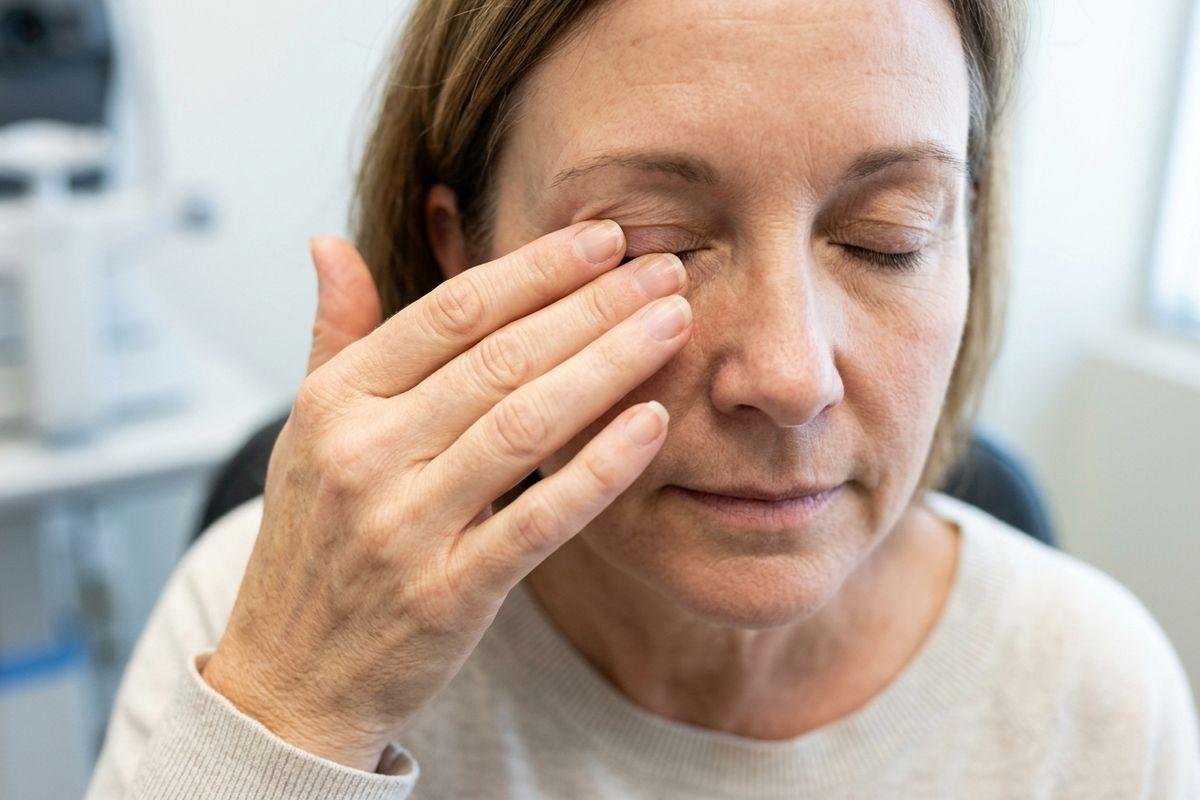
When home treatments don’t provide enough relief, an optometrist can offer more targeted options. These treatments address stubborn blockages that won’t clear with heat and massage alone. Dry eye treatment involves various techniques to restore healthy gland function.
In-Office Procedures
Thermal pulsation devices combine controlled heat with gentle pressure to clear blocked glands more effectively than home methods. Your eye doctor can also manually express thick oils from your glands using dedicated instruments.
Intense pulsed light therapy (IPL) targets inflammation around the glands and can help reduce the bacteria that contribute to blockages. These treatments typically take 15–30 minutes and provide longer-lasting results.
Blood-Based Therapies
Some practices now offer platelet-rich plasma eye drops made from your own blood. These drops contain natural growth factors that can help reduce inflammation and promote healing in damaged glands.
The treatment involves drawing a small amount of your blood, processing it to concentrate the healing components, then creating custom eye drops. This approach often works well for chronic cases that don’t respond to other treatments.
How Long Recovery Takes & What to Expect
Your timeline for improvement depends on how blocked your glands are and which treatments you use. Home treatments typically show gradual improvement over several weeks, while professional procedures often provide faster relief.
Most people notice their eyes feeling less gritty within the first week of consistent treatment. However, full improvement of gland function can take 4-8 weeks of regular care. Radiofrequency treatment for dry eye can help accelerate this healing process.
Realistic Timeline for Results
You’ll likely experience some relief within 1-2 weeks of starting warm compresses and massage. The gritty feeling usually improves first, followed by less redness and crusting around your lashes.
Complete healing takes patience—your glands need time to restore normal oil production. Once you achieve good results, daily maintenance helps prevent your glands from blocking up again.
When to See Your Eye Doctor in Westlake
You should schedule an appointment if your symptoms don’t improve after a month of consistent home treatment. Some blockages are too stubborn for warm compresses alone and need professional intervention. Understanding the link between dry eye conditions and meibomian gland health helps you know when to seek professional care.
Contact an optometrist right away if you develop vision changes, severe eye pain, or notice bumps forming on your eyelids. These signs might indicate a more serious condition that needs immediate attention.
Professional Care at Eyes on Westlake
Eyes on Westlake offers comprehensive dry eye treatment to evaluate your gland function. Dr. McPherson, our practice’s dry eye expert, will then create a treatment plan that addresses your family’s eye care needs.
Our optical boutique also carries handcrafted frames, so you can protect your healing eyes while looking good. Visit us at Eyes on Westlake for professional care that helps you see and feel better.